A 100A to 200A service upgrade in Langley typically costs $3,800 to $5,500 as a standalone job, climbing to $4,500 to $7,500 when bundled with a panel replacement. Within those ranges, the variables are meter base condition, run length to the panel, BC Hydro disconnect timing, and whether trenching is needed for a detached structure.
This guide explains what's actually happening during a service upgrade, what drives the cost, and the BC Hydro side most homeowners don't see.
The cost in Langley (2026)
| Scenario | Typical cost |
|---|---|
| Standalone 100A to 200A upgrade (panel still good) | $3,800 to $5,500 |
| Service upgrade bundled with panel replacement | $4,500 to $7,500 |
| Upgrade + meter base relocation | $5,500 to $8,500 |
| 60A to 200A upgrade (older Langley homes) | $4,500 to $6,500 |
| Trenching required for detached garage feed | Add $1,500 to $4,000 |
Most Langley residential service upgrades land in the $4,500 to $5,500 range. The cost driver that swings the most: whether the meter base needs to move.
What's actually changing
A "service upgrade" sounds vague. Concretely, what changes:
- The main breaker in the panel goes from 100A to 200A
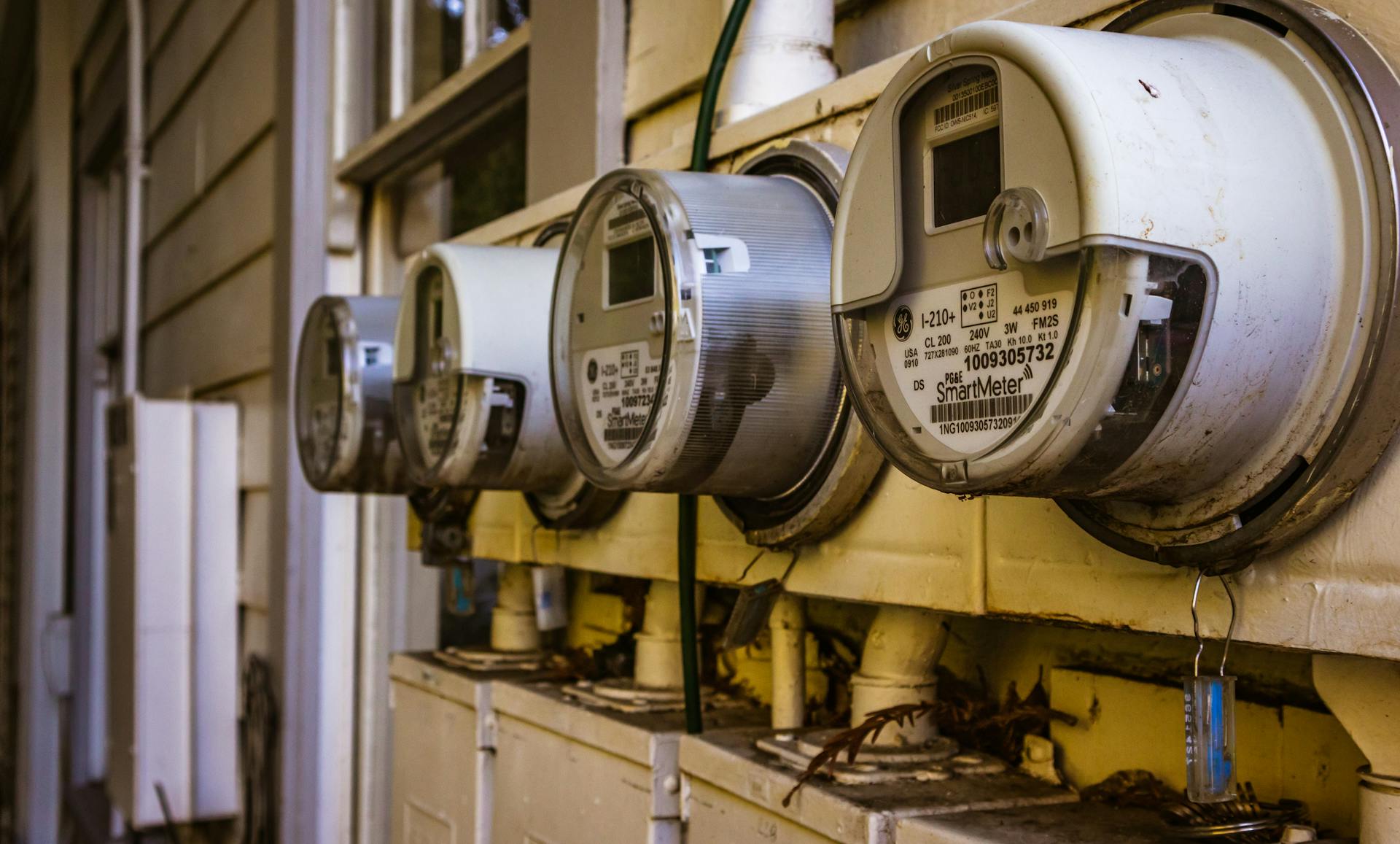
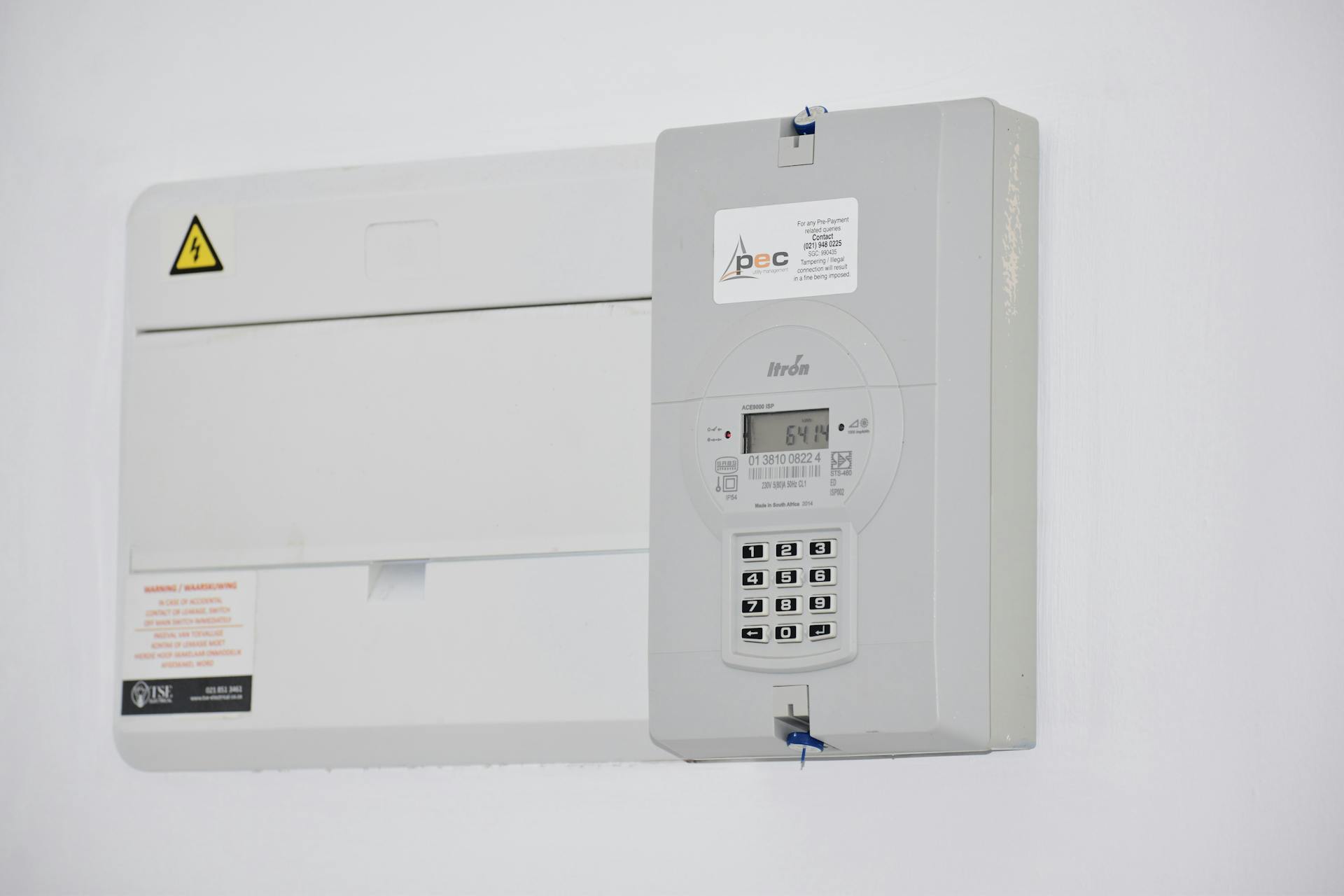
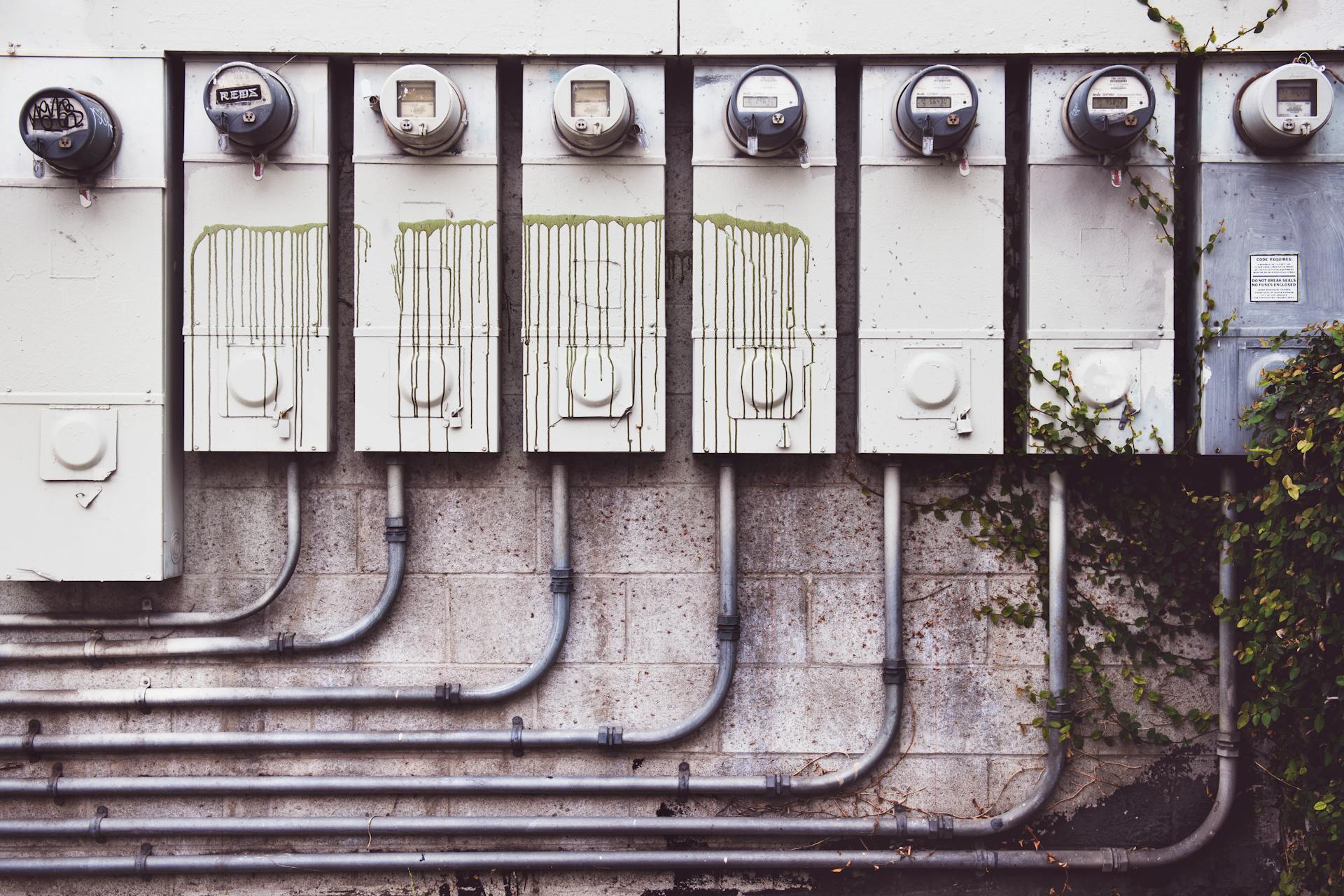
- The meter base (outside your home) is replaced or upgraded to 200A rating
- The service entrance conductors (the wires from BC Hydro's drop to your panel) are replaced with larger gauge if needed
- The grounding system is updated if not to current code
- BC Hydro swaps the meter for one rated for 200A
Often, the panel itself stays if it's already a modern panel rated for 200A. We've upgraded plenty of homes where the existing 200A-rated panel just had a 100A main breaker and we replaced the breaker, the meter base, and the conductors. That's the cheap version.
When the panel is older or undersized, the service upgrade gets bundled with a panel replacement, which is when the cost climbs.
What BC Hydro does (and doesn't)
BC Hydro handles:
- Pulling the meter at the start
- Reconnecting and re-metering at the end
- Issuing the new meter rated for 200A
- Inspecting the service drop if relocation is needed
BC Hydro doesn't handle:
- Replacing the meter base (that's our work)
- Pulling the permit (that's us, with Technical Safety BC)
- The internal panel work
- Anything inside the house
The BC Hydro side is free, but it requires scheduling. Disconnect appointments are typically available 5 to 10 business days out for residential. We schedule this when you accept the quote.
What drives the cost up
1. Meter base relocation
If the meter base has to move, the cost jumps. Reasons it might need to move:
- New construction or addition pushed the wall behind the meter
- Code clearance issues (modern code requires more space around the meter)
- Aesthetic preference (homeowner wants the meter on a less visible wall)
Relocation requires BC Hydro to also relocate the service drop (the overhead wire from the pole to the house). That's a separate BC Hydro project with its own scheduling, typically 4 to 8 weeks out. Don't relocate unless you have to.
2. Run length from meter to panel
A 200A service entrance is a thicker, heavier cable than a 100A. If the run from the meter to the panel is short (under 15 feet, same wall), the cable cost is modest. A 50-foot run through a finished basement to a panel on the opposite end of the house adds $300 to $600 in materials.
3. Trenching to detached structures
If you're upgrading service to feed a detached garage, workshop, or accessory dwelling, trenching across the yard adds significant cost. Typical scope: $1,500 to $4,000 depending on length, soil, and whether sleeves are already in place.
4. Old or non-standard meter base
A 1970s meter base that's never been touched might pass inspection for a like-for-like meter swap, but for a 200A upgrade it gets replaced. Add $400 to $900.
5. Aluminum wiring from panel to circuits
Aluminum branch circuit wiring (common in 1970s Langley homes) requires special connectors at the panel termination. Adds $50 to $150 per circuit re-termination.
What drives the cost down
The biggest cost reducer: bundle with a panel replacement. If you were already going to replace a Federal Pioneer panel or upgrade for an EV charger, doing the service upgrade in the same visit saves $500 to $900 vs splitting them.
Other savers:
- Existing 200A-rated panel — just swap the main breaker (cheap)
- Meter on the panel side wall — short run, less cable
- Aerial service drop already 200A capable — sometimes no BC Hydro service drop change needed
- No detached structures involved — pure interior work
Timeline
From quote to live 200A:
| Step | Time |
|---|---|
| Quote issued (after photos or site visit) | 24 hours |
| Permit pulled with Technical Safety BC | Same day |
| BC Hydro disconnect scheduled | 5 to 10 business days |
| Install day | Power off 4 to 6 hours |
| BC Hydro reconnect | Same day as install |
| Inspection (virtual for most upgrades) | 1 to 3 business days |
| Total quote-to-live | 2 to 3 weeks |
Most of the time is BC Hydro scheduling. We coordinate that piece, you don't deal with them directly.
When to do the upgrade vs not
Do the upgrade if:
- You're adding a Level 2 EV charger and a heat pump and an electric range
- You're planning a major addition or accessory dwelling
- Your existing 100A is on the edge per a load calculation
- Your panel is a Federal Pioneer or Zinsco anyway and you're combining the work
Skip the upgrade if:
- You have gas heat, gas water heater, gas range, and you're adding only a single EV charger
- The load calculation says 100A is fine with margin
- You're not planning to add load in the next 5 years
We always run the load calculation before quoting. See Does My 100A Panel Support a Level 2 EV Charger? for the math.
How to start
Send us photos:
- Your existing meter base (exterior wall)
- The open panel (breakers visible)
- The label inside the panel door
- The location of the panel inside the home
We'll quote in writing within 24 hours.
Call (236) 862-1196 or send your project details.
Related reading
Frequently asked
- Not always. If your home has gas heat, gas water heater, gas range, and you're adding a single EV charger or a heat pump, you can often stay on 100A. The trigger for 200A is when total electric load (including the new addition) exceeds about 80% of 100A capacity per BC Electrical Code Section 8 calculations. We run the math before we quote.
- Most service upgrades are completed in a single day with power off for 4 to 6 hours. BC Hydro reconnect happens the same day in most cases. The full timeline from quote to live 200A service is typically 2 to 3 weeks, with most of that time being scheduling and BC Hydro coordination.
- BC Hydro doesn't charge for the disconnect/reconnect itself. They include it in the standard service. They will send a meter tech to swap the meter for the new amperage rating. The cost is in the electrician's work, not BC Hydro.
- No. A service upgrade requires a Technical Safety BC electrical permit pulled by an FSR-licensed electrician. Skipping the permit creates insurance and resale issues. The permit cost is around $90 to $140 in Langley and we bundle it into the quote.
- If the meter base needs to relocate (e.g., from a side wall to the front), that's a separate project that can add $800 to $2,500 plus BC Hydro service drop relocation. For most jobs the meter stays where it is and only the base swaps. We assess this on the site visit.